Persistence

I’ve said this dozen’s of times and probably will say it a dozen more times, but persistence is the key to getting your work published.

  1. You need to be persistent in the early stages. Don’t stop writing, no matter how stuck you feel. Write about being stuck if you have to. Just keep writing. Eventually, you will get somewhere.
  2. Be persistent in revision. Seek feedback. Think carefully about what feedback you take. Revise your story over and over and over until it feels right. This can be frustrating, but you have to keep going, keep revising, until the story is really done.
  3. Be persistent in your attempts to publish. Try to not to let the rejections get under your skin.
    • If there is a market you want to get published by and they reject you, send them something else. If they say you have to wait a month, wait exactly a month. If they say you have to wait until the next reading period, wait, but don’t forget to send something when the next one opens. I really wanted to get a story into an anthology called Dark Magic: Witches, Robots and Hackers.  They rejected the first two stories I sent them. A few days before they closed for submissions, I sent them a third. They bought it! A few days earlier, Daily Science Fiction, another market I really want to get into, had rejected a draft of that story with a p.s. saying “an almost for us.”I’ll be sending DSF something new soon.
    • If there is a story you really want to get published, then keep sending it out until someone accepts it. I had two acceptances this week. One was a story that had been rejected 16 times, and the other was something that has only been rejected twice. You never know how quickly or slowly it will happen. Just don’t get discouraged. Keep sending it out!
  4. Be persistent in improving. Don’t let a few acceptances make you think you’ve become a master writer. Always seek workshops, feedback and discussions that will help you hone your craft. If you feel like those stop helping you, then try teaching someone else. I learn a lot about writing and revising from guiding students through the process over and over again.

Some people might see this post and think, well, the writing has to be good, too, doesn’t?

My answer is yes, but when it comes to writing “good” to one person might be “boring” or “depressing” or “confusing” to another. If you like your writing, and the people you showed it to liked it and were able to make sense of it, and its free from unintentional grammatical errors, then its probable that somewhere out there is an editor who will like it too. It will just take a lot of persistence for you to find each other.

When you do reach that metaphorical summit of publication, make sure you take the time to enjoy the view, enjoy the feeling of victory, before going back down into the valley of rejection and hiking another mountain.

DSC_0123.jpg


Micro Essay: Seasons

Seasons

By Sara Codair

The sky blooms with streaks of pink and purple, possibilities of endless nights sitting on the porch serenaded by peepers and crickets. The sky ignites my dreams of rowing and swimming under the blazing the sun. The sky promises romance and inspiration; ice cream and love. I hold his hand on the dock as the colors fade, yielding their territory to the stars.

The leaves change color and chills master the night. I’m planning a lesson while he scrambles to button up the house. He doesn’t want the pipes to freeze.

I’m back at work, teaching through the sunset, driving home in the dark.


© 2016 Sara Codair

Quick, Easy and Clean Zucchini Side or Snack Recipe

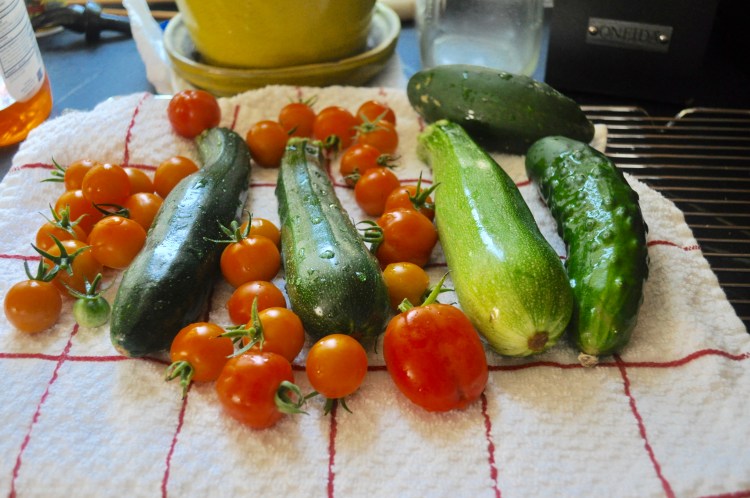
Its that time of year when my zucchini are producing several fruits a week and there are more tomatoes than I can eat. I cook what I can before they go bad, and share the excess with my friends and neighbors. Today, I want to share a recipe that can be made with all, or almost all local ingredients, depending on where you live.

You will need:

  • Zucchini
  • Cherry Tomatoes (I prefer orange ones, like sungolds since they are sweet and low in acidity)
  • Fresh Basil
  • Honey
  • Cooking oil or butter (I used olive oil)
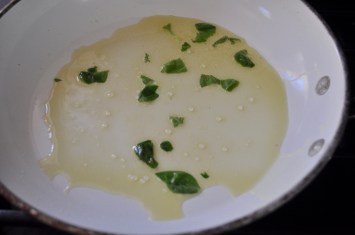
  1. First, put coat your pan with olive oil and add basil. Let it heat up slowly while you prep the other ingredients.DSC_0102
  2. Cut your zucchini into strips. When I am making it as a lunch or a snack for just me, I use half a small zucchini. If you are cooking for a larger group, you might want to use the whole thing.DSC_0103
  3. When you done cutting, add the zucchini to the heated oil and basil. DSC_0104
  4. While the zucchini starts to cook, cut up your tomatoes into quarters, thirds and halves. Last time I made this with half a zucchini, I used ten sungold tomatoes.
  5. After you add the tomatoes, drizzle the whole thing with local honey.DSC_0107
  6. Sauté until the tomatoes start to dissolve into the honey and the zucchini is tender.DSC_0108
  7. Serve and enjoy! DSC_0109

When I made this today, the basil, zucchini and tomatoes were all from my garden. The honey was from a local farm. The olive oil was the only non-local ingredient (from CA), but it was labeled as non-gmo. If you really want to make sure all your ingredients are local, use local butter instead of oil.

Thoughts on Cursed Child and a Lesson or Two on Character

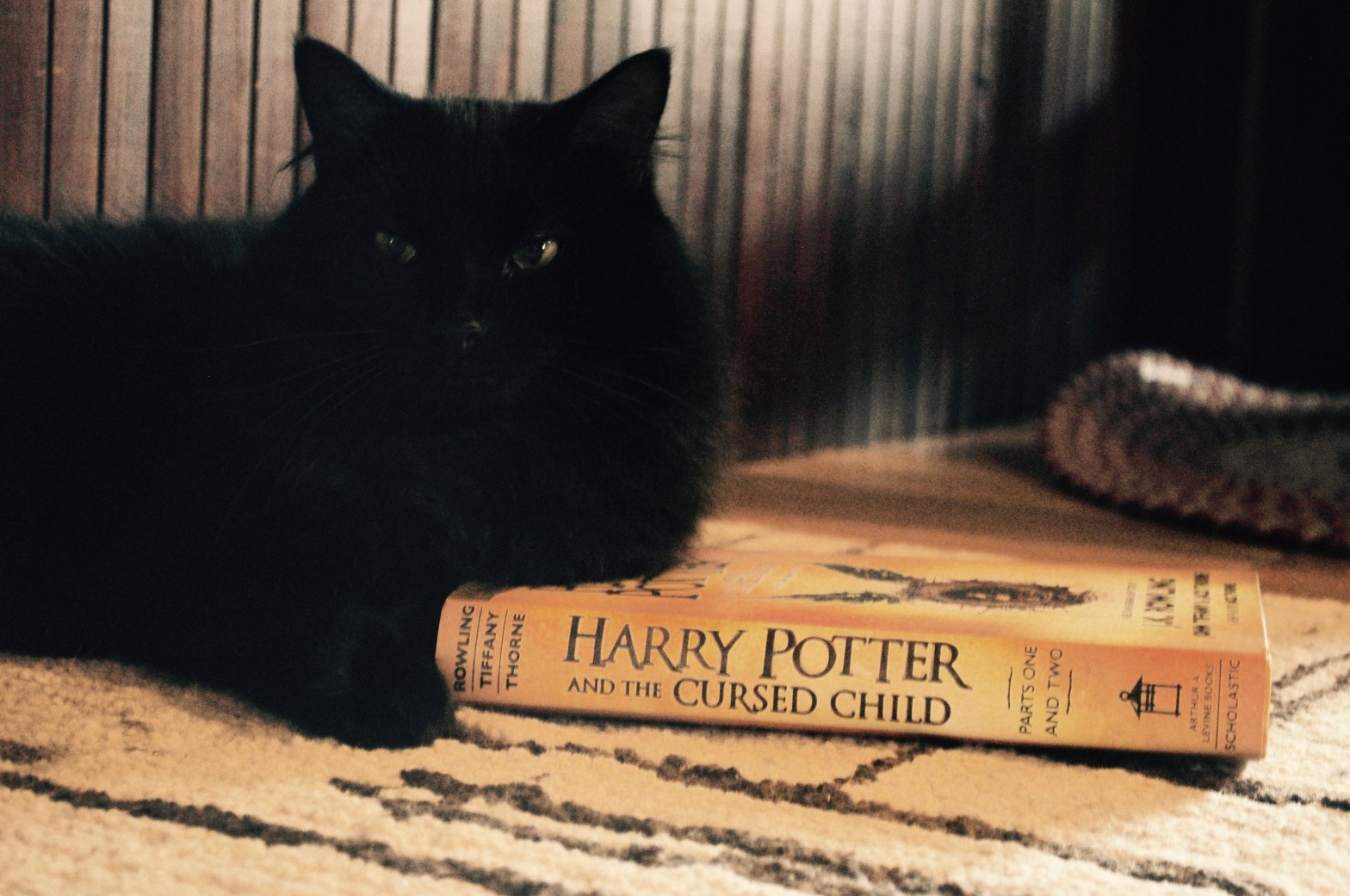
In spite of all the hype about Harry Potter and The Cursed Child, I didn’t know what to expect when I sat down to read it. Was this going to be one of those instances where the author just couldn’t let go and ruined the series? Was the format going to give me a headache? Was it going even come close to the magic of the original series?

All these questions were shuffling through my mind while I walked the quarter mile back from my mailbox to my house. Even when I got home, I was hesitant to open it even though I was dying to know was inside. I went outside, picked some zucchini, then gave into curiosity and opened the package. After running my hands over the cover and smelling the pages, I started reading.

I had to work hard to keep up with the first few chapters as they quickly moved through time. Then, as the prologue-ish section ended and the action took off, I was once again under J. K. Rowling’s spell. The next five hours flew by, and I reached the inevitable words “The End.”

After months of anticipation, it was over in five hours. At first, it seemed a bit anticlimactic for the story to pass so quickly. However, I was left thinking about the piece long after I read the last page.

In the end, the book was more than a fast ride through a twisty time traveling plot. It was a lesson about character.

Too often, I read YA books and middle grade books in which the characters undergo rather terrifying adventures that would leave a real person traumatized. By the end of the book, the adventure is over and the character is changed but whole. A little epilogue shows the reader that things are going to be okay. Even the Divergent series, whose ending left one of the main characters grieving, had an optimistic, hopeful ending.

Now, there is nothing wrong with these endings. The make me, as a reader, feel satisfied. However, I always get the gut feeling that there is more to the story.

At the end of Deathly Hallows, when there was that scene with everyone grown up sending their first child off to Hogwarts, it felt a little too neat and tidy, like they survived a traumatic battle just to go on and have perfect lives. It was too much of a happily ever after ending for a series that got so dark before it ended.

It was a relief, then, to see that in Cursed Child, Harry was still struggling with what happened in his youth. He wasn’t a perfect dad or perfect wizard. He was flawed, human, and still haunted by the terrors of his childhood.

Cursed Child made Harry and his gang more real for me. It reminded me that the best characters are the ones who are flawed and who make human mistakes. They do stupid things that make me cringe, and because of it, both the characters and I learn something profound.

The lines were blurred, not as black and white as the earlier books. Dark Magic didn’t go away just because Voldermot was dead. It reminded me that I don’t have to write perfect endings or perfect characters. My protagonist doesn’t have to be likely or do the right thing. The more fuzzy and gray I can make things, the more interesting it gets.

Remember, if you feel like your stuck, or need to improve, the books on your shelf can be the best teachers. Read and re-read your favorites, noticing the moves they make as they describe the setting, move you through the plot, develop characters and bring you to the end. Read to learn just as much as you read for fun.

DSC_0093.jpg

©Sara Codair

Micro Fiction: Garden Wars

This piece of micro fiction has been hiding in various files on my hard drive, but I have finally wrangled it onto the internet were it can be seen by more than just lonly gigabytes.

Garden Wars

By  Sara Codair

The garden is city for faeries so small they’re invisible to the naked eye.

DSC_0683Scientist would be dumbfounded if they held their microscope here and saw the buzz of activity happening beneath the stems. There is a whole economy flourishing in the garden: The Allium Folk are trading pollen stock with the Peony People and warring with the Hydrangea Colony.

Last year, the Allium Folk lost a war the Lupine Ladies, but hope to gain some new territory from their inferior blue neighbors. The Hydrangea Colony may be wide, but its people are short and stunted. They have quite a few prisoners of war already, and might have conquered the whole bush, had it not been for the Fly Siege.

Thankfully, the Spider showed mercy and saved them from the dreaded flies. However, they must offer a sacrifice, or they will be his food tomorrow.

The blue prisoners will suit his needs just fine.

DSC_0329.jpg

©2016 Sara Codair

Making Money (or not) and Writing

Making Money (or not) and Writing

By Sara Codair

There are hundreds of literary journals on the Internet. Many of them are carefully curated and beautifully designed. Many of them don’t pay their writers and artists. I like some of these non-paying venues, but always feel conflicted about submitting to them. I do want to get paid and make money off of my writing.

I write because I need to. It keeps my head from exploding and helps me control my anxiety. However, I sometimes spend hours and hours writing when I should be doing other things, like cleaning my house, grading papers, helping my husband hang shingles or having real conversations with other humans. I can get away with writing 6 to 8 hours a day in the summer when I’m just tutoring a few hours a week and have no classes to teach. However, I don’t have time for such a time consuming hobby during the school year.

If I want to write all year, I need to get paid. If I’m making money, it’s a business, not a hobby. I doesn’t need to be my only source of income; if I could make the equivalent of one class’ stipend, then I could teach four classes instead of five and have an extra ten hours a week to write.

When I was sending stories to an even mix of paying and non-paying markets, I seemed to getting some kind of acceptance every week. I got acceptances Ink In Thirds, 101 Words, 101 Fiction, Foliate Oak, Sick Lit Magazine, Fantasy Crossing, and Mash Stories. My work appeared on 101 Words and Sick Lit Magazine on three separate occasions. It was awesome. People were reading my work, liking it, sharing it and commenting. I got new followers on both Twitter and WordPress. I felt like I was going somewhere, making progress, but I wasn’t making money. If things like electricity, gas and food were free, I wouldn’t care about that. However, the cost of living in the North East is high, and September, the month I return to full time work, was getting closer.

Now, not all of the acceptances were unpaid. I did win $250 for placing second in Women on Writing’s Winter 2016 Flash Fiction contest. I sold a story to the token paying Flash Fiction Press. I signed contracts for three royalty paying anthologies. Those success made me think I could get more money for my writing, so stopped sending stories to places that didn’t pay.

I also stopped getting weekly acceptances. I went more than three weeks without getting an acceptance and my attitude towards writing reminded me of the land around me: it was in a drought.

A wave of heat and humidity descended upon New England. Cyanobacteria bloomed in the lake. The rain refused to come. The grass turned brown and the town issued a water ban. A rain barrel and a few scattered thunderstorms have kept my garden alive. A few notifications from paying markets informing me that my story has been shortlisted or was being held for further consideration kept my confidence from withering in the heat.

I wondered if I should go back to non-paying markets. I did research and posted in forums, and I reflected on previous my previous research in the subject. Some people refuse to give their stories away and suspect publishing in non-paying markets hurts their chances of getting paid while others think the non-paying markets are a necessary stepping-stone. Some writers start with paying markets and work their way down as the rejections come in. Others just think of short stories as a hobby and seem okay with not getting paid. One writer reminded me not to discredit non-paying markets because they slush piles too and send plenty of rejections.

That writer had a good point. I have gotten dozens of rejections from non-paying markets. When a place that has rejected me sends an acceptance, it feels good whether I am getting paid or not.

I just wish I could eat feelings.

In the end, I decided a middle ground/attitude was needed.

Attitude Adjustment 1: Why I get more non-paid acceptances.

I don’t think non-paying markets aren’t easier to get into because they have lower standards. Its just that there are a lot more of then than there are paying markets, so some of them get a slightly smaller volume of submissions. There are less other writers I have to be better than.

Some of these non-paying markets are also very active on twitter, so maybe I’m just better at figuring out what they want. Maybe those editors and me have similar taste. Maybe they are less offended by the one or two grammatical errors I always miss. 

Attitude Adjustment 2: Non-paid submissions are free advertisement

While I am starting to build a following on this website (thank you, followers and readers), many non-paying e-zines do a lot more traffic. If my work appears on them with a link to this site, then anyone who likes my work can come here and read more of it.

The anthologies I’m in pay royalties. If people like reading my work on free sites, maybe they will buy the anthologies I’m in and I’ll get paid because of it. Centum Press works on a commission like structure so if people use my discount code(1SaraCodair10), then I get 15% of the sale. The other anthology just divides half the royalties between the authors.

And as I start to publish my own books, whether they be picture books or novels, the more of an online following I have, the easier it will be to sell copies.

While unpaid credits might not make in impression on certain editors in the pro-speculative market, they will help me network with more potential readers. I may not being paid directly for my work, but in the long run, it might just pay off in its own way.

The Next Step

What I need to do now is submit to a mix of paying and non-paying markets.

I will probably still send all my short speculative pieces to places like daily science fiction and Fantastic Stories of the Imagination before I send them to non-paying markets, but I’m also not going to treat some of my favorite free e-zines as dumping grounds for the rejects of paying markets.

Scrutiny just accepted a magical realism story that had only been sent out to one other publication. The last story I published on Sick Lit Magazine was something I revised/expanded specifically for their Journey theme. I’m proud of those stories.

However, I know if I want my writing to be taken seriously, by both me and my family and friends, then I need to shore up my efforts to get into paid markets and start making some money off of my writing.

If I Could Trap Time in a Bubble

I wrote this piece for 100 Word Story’s monthly photo challenge. It didn’t win, but I still like it.

If I Could Trap Time in a Bubble

By Sara Codair

I never appreciated what I had then: A bed to sleep in. Green grass to cool my heels. Food in the pantry, a stove to cook it on and a table just big enough for two.

If I only I could have captured that moment, frozen it in time and saved it in a bubble; it passed all to quickly. We worked and studied and worked and studied. We moved to the city where pollution and concrete killed the grass. By the time we had enough to money to retire and just enjoy life, they had found a mass on your lung.

Now memories are blurred like gasoline breaking into rainbows on top of still water. I’m back in one of those apartments, with a tiny stove and a table just big enough for two. But there isn’t much to eat these days, and when I do eat, I miss you.

###

If your curious about who did win, you can read that story here.


Framed by Flash:Eliminate Fluff and Teach Transfer

As the summer rolls on, it gets closer to time when us teachers need to start thinking about the start of the next semester. Here are some thoughts on how to use Flash Fiction and Flash CNF in your classroom.

Framed by Flash: Eliminate Fluff and Teach Transfer

By Sara Codair

Flash fiction and micro essays can teach students to write tight prose where every word carries meaning, they can eliminate the presence of “fluff” or “bullshit,” and they teach students to be ruthless editors.

Last year, one of my colleagues showed me an assignment for having her students write 100-word essays. Thinking it would be a great way to lessen the onslaught of questions like “is my paper long enough?” or “How many words should it be?” I followed the outlined steps myself, promptly adapting and expanding it to better suit my courses and teaching styles.

Now, I frame my first-year composition courses with flash fiction.

We start the semester by reading a selection of essays and stories from 100wordstory.org. The students analyze the pieces both for meaning and structure, noting how they were put together and how the smaller pieces contribute to the meaning.

Next, they write their own 100-word essay or story. At first, they complain about having to hit exactly 100 words.

“Can’t it be like, 102?” they ask.

“Exactly 100,” I say with a smirk.

“I can’t even go one over?”

I shake my head.

Then they do it, revising, editing and incorporating feedback until they have a polished piece that is exactly 100 words. They write a reflection about the skills they used and the value of concise language, and then they move onto to longer, more traditional college essays.

They remember the process and strategies they used in their flash, and through both discussion and trial and error, they learn to apply them to longer essays. The result? Their essays are tight, concise, and contain minimal fluff. They also practice the art of transferring skills from one task to another.

That it isn’t the end of flash in my classroom. After they finish their long research paper, we return to flash. By now, they’ve gotten a good handle on their writing process, so we focus on analysis and editing.

I’ll give students a 500-word story from the Mash Stories Shortlist, usually one that has a strong message, and have them analyze it. I’ve used my own piece, “Above the Influence” and a 2nd place winner, “Playback” by Conor Yunits.

Students examine the language, structure, plot and imagery and use that to make an argument about the meaning of the piece. Next, they write their own piece.

It reinforces the skills they started with earlier in the semester and practiced throughout, but since it’s a shorter piece, they can more or less zoom in and really focus on skills. And since they have used and adapted the same methods for different genres of writing, they have practiced transferring a skill from one genre to the next, and hopefully, they will be able to continue this act of transfer as they progress through their college careers.


Feedback is a Two-Sided Coin

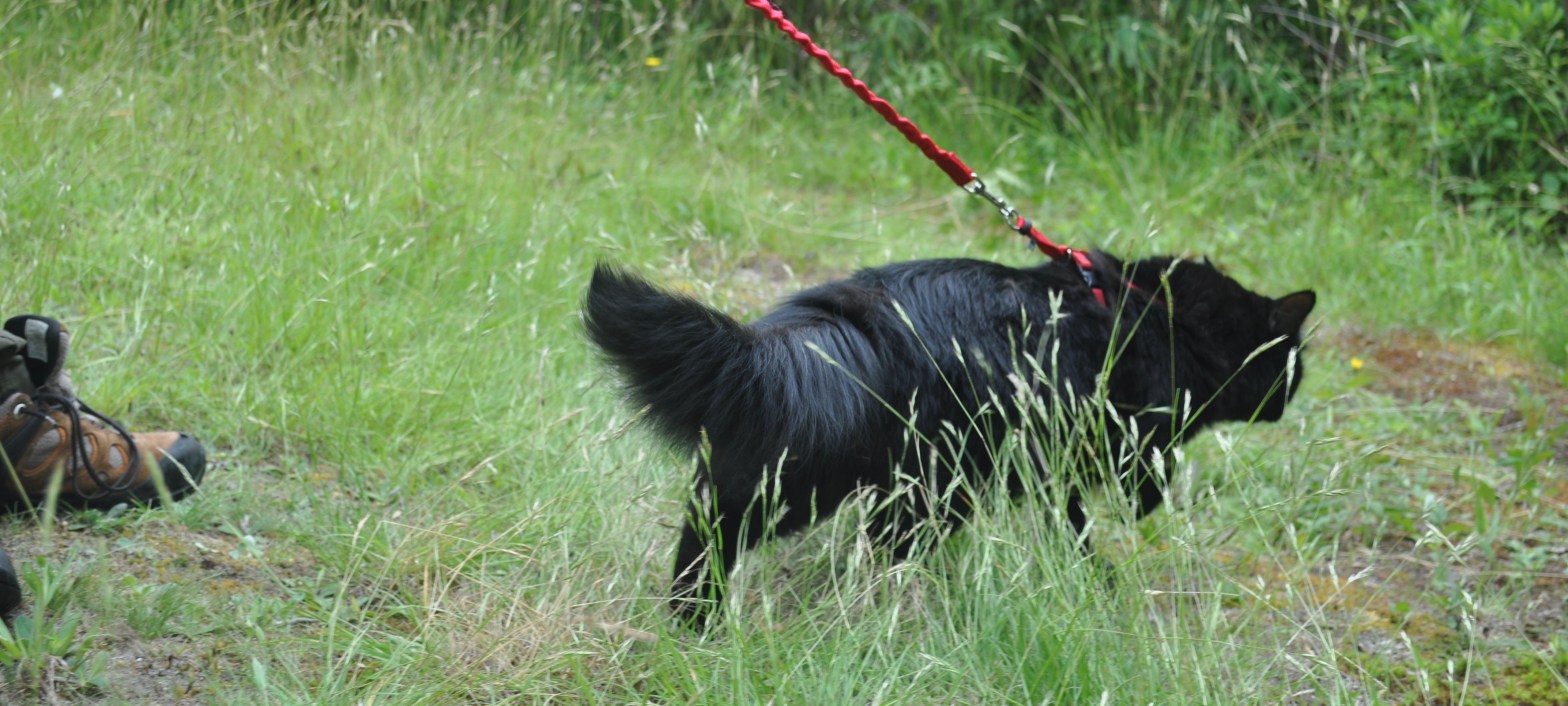
Every writer needs feedback, and I am not exception. I hunt for it more than my cat hunts for bugs. However, I was recently reminded that I really need to be careful with how I use and respond to it in the same way that Goose needs to realize its okay to hunt flies, but not bees. If I’m not careful about what feedback I take, I might just get stung.

Feedback comes from people. People are all unique and different from each other. They have different preferences. One person may hate a story another loves so every writer needs to be careful with how he or she uses feedback. Three personal rejections I received for the same  story illustrate this fairly well.

Rejection A: “Thank you for giving me a chance to read “Berserker.” The opening scene of this grabbed me and it held my attention to the end, and I think it’s an interesting premise, but overall the story doesn’t quite work for me. In part, the changes of becoming a mother don’t feel like they’re really followed through on. In part, Mina’s change of heart at the end feels too abrupt to me, and the story doesn’t deal with the consequences of her getting caught committing an assault. I’m going to pass on this one for ____, but I wish you best of luck finding the right market for it. I appreciate your interest in ____and hope that you’ll keep us in mind in the future.”

After rejection A, I did make some changes. The feedback was specific,and in some ways, objective. It wasn’t just about what the reader likes, but pointing out a loose thread of plot. Once I was confident that I had tied up those loose ends, I started submitting it again. I got some form rejections, but I also received two more personal ones.

Rejection B:  “I like the overall concept. The present tense isn’t helping you. The piece needs proofreading. I wasn’t as engaged as I’d have liked, and her victory over the curse was too easy. The piece relies on the curse selecting people who are definitely bad, which removes some of the most interesting moral potential from the story.”

I thought about making some changes after reading this, but in the end, all I did was fix a few typing errors. The story was about more than just Mina’s victory over the curse, and changing the nature of her victims would take the story somewhere I didn’t want it to go. I was nervous, but I kept submitting.

This was my next rejection:

Rejection C: “We thoroughly enjoyed your story–it’s one of my favorites so far. However, with limited space in the anthology, we didn’t feel like it was the best fit for our theme. It’s a unique premise and the writing is strong, so I have no doubt you’ll be able to find a home for Berserker. Thank you for sharing, and best of luck in seeking publication.”t 

Yes, it is a rejection, but it does validate my opinions of my story. I knew when I sent it to this place that the piece was only loosely connected to their theme. In fact, it took me a fews days to convince myself it had any connection to the theme at all. Even though it got rejected, I’m glad I sent it. The piece is in progress with a few magazines and contest that are not restricted by theme, and to one more themed anthology that it is more directly related to. If at least one of those editors reacts like C, then hopefully, I will get an acceptance letter. If not, I’ll keep on sending it out.

I seek feedback wherever I can get it without spending more than a few dollars, but I am very selective about how I use that feedback. We should all analyze and think critically about how we use the feedback we get. Here are a few tips for doing this:

  • Reflect on your initial reaction to the feedback. If it is something like “Oh, that makes so much sense! I can’t believe I didn’t think of it myself,” then you might just want to take their advice. If it makes you cringe, ask yourself why.
  • Does the reader seem to get the point of the piece? If your answer is yes, then you might use their suggestions. If the answer is no, then you probably shouldn’t take their advice. However, if they didn’t get it, then there must be a reason. Try and figure out what it is so the next reader does “get” your piece.
  • What effect will the suggested revisions have on your piece? Don’t be afraid to explore and take risks, but in the end, you probably should take advice that feels wrong. If it brings your story in a direction you know you don’t want it to go, then don’t do it.
  • Think about how the feedback is framed. Is it about the editors preferences? or an objective comment about the structure, plot or character? Are they using words such as like, prefer or want? These might signify the response is based on their personal preferences. If they use more specific, concrete language, you can get a better idea of whether or not its a piece of advice you want to take.

Remember, the story is your creation. Feedback can help you see things you got too close to notice. It can help you help other people to appreciate your work. However, if you let it control your work, and you find yourself writing to please one editor or another, then your writing will no longer be your own, and more than likely, it will get worse, not better.

Hunt for feedback like an alley cat stalking a mouse. Use it as selectively as a spoiled house cat who only likes a few flavors of fancy feast.

DSC_1022.JPG